



The future of intelligence is neuromorphic
Brain-inspired, ultra-low power computing designed for real-world edge devices.
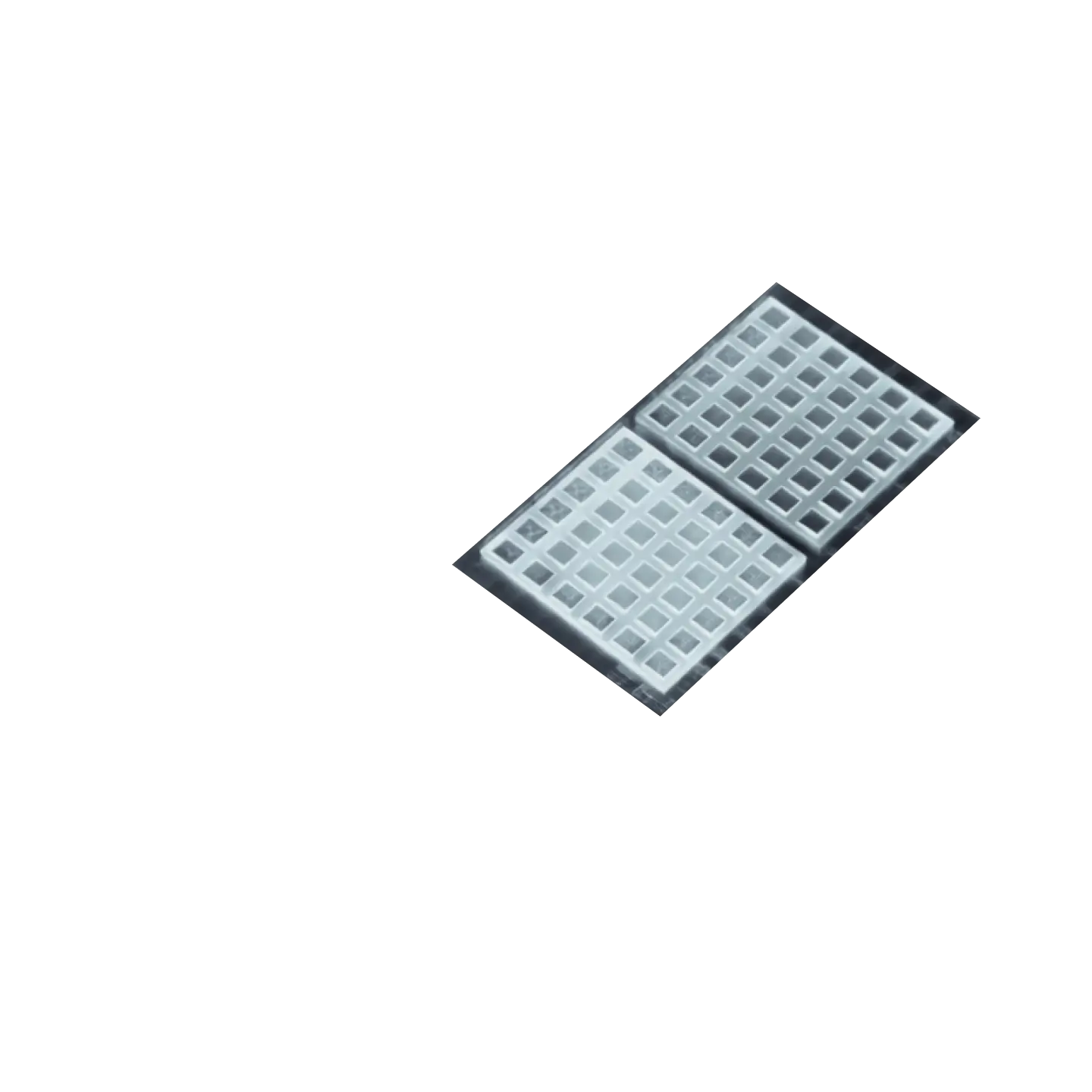


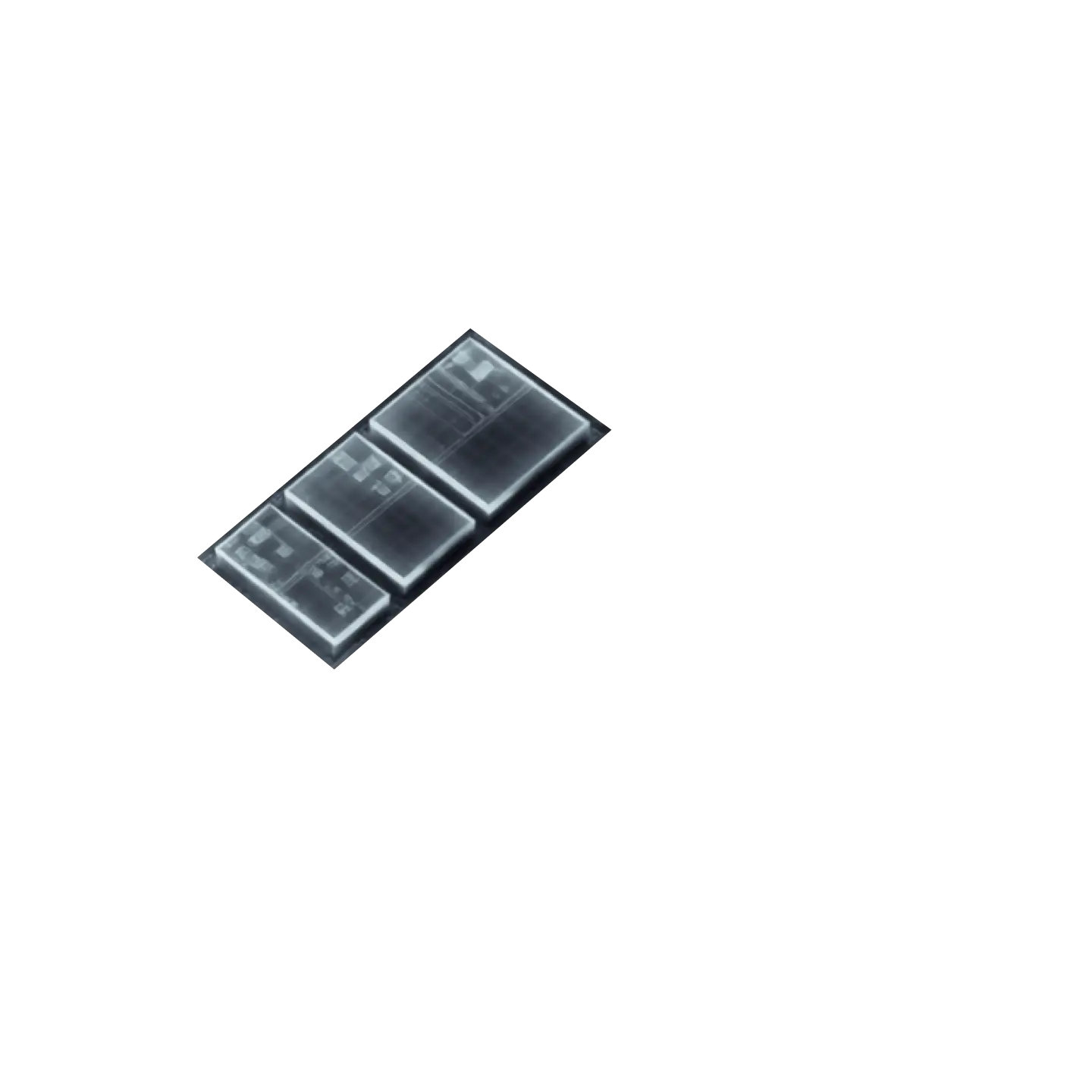


The world is flooded with data.
Traditional AI struggles to keep up with the growing volume of sensor data, consuming energy and delaying decisions.
A new computer architecture built for the real-world.
Neuromorphic processing reacts only to meaningful signals. Less compute. Faster decisions. Privacy-preserving intelligence directly on device.
Inspired by the brain. Built in silicon.
Spiking neural networks process information as discrete events, mirroring how biological neurons communicate.
Spiking Compute Fabric (Analog + Digital)
Ultra-low-power, real-time intelligence for always-on, privacy-first edge devices.
RISC-V CPU Subsystem
Flexible control, programmability, and system orchestration for adaptive edge intelligence.
Multiple sensor interfaces
ADC, QSPI, UART, I2S, I2C, CPI, PDM
Multiple power-management states
On-chip FFT acceleration and memories
CNN Accelerator
Efficient dense inference enabling familiar AI models within tight edge power budgets.
 Scroll down

Where our technology makes a difference
Consumer Electronics
Create products that react instantly to the real world. Neuromorphic AI processes audio, motion, and presence detection directly on-device, enabling responsive user experiences without cloud constraints. Devices become smarter, more intuitive, and privacy-first while maintaining ultra-efficient power consumption and seamless everyday interaction.

IOT & Smart Home
Move beyond simple triggers toward true contextual awareness. Event-driven sensing understands activity patterns and activates systems only when meaningful change occurs. This reduces unnecessary processing, improves automation accuracy, and allows smart environments to feel natural, adaptive, and unobtrusive to the people living within them.
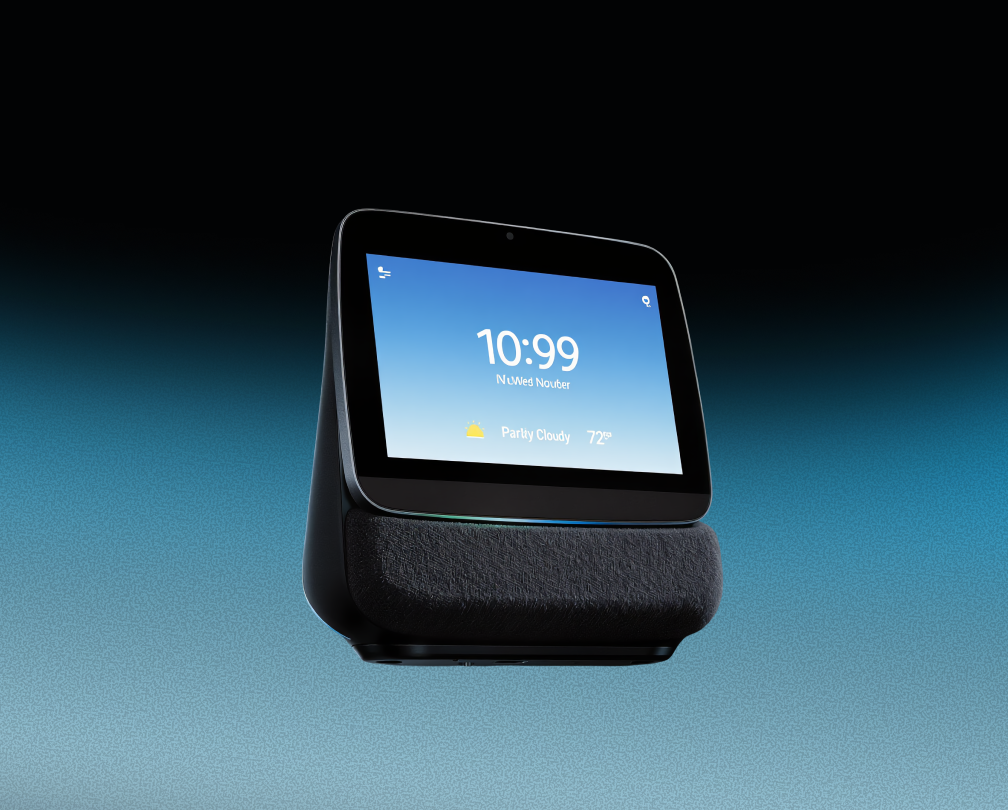
Industrial
Turn raw sensor signals into early operational insight. Neuromorphic processing recognizes subtle temporal patterns in vibration, sound, temperature, or motion, helping teams identify faults before they escalate. Systems remain lightweight and efficient while enabling scalable monitoring across machines, assets, and complex industrial environments.
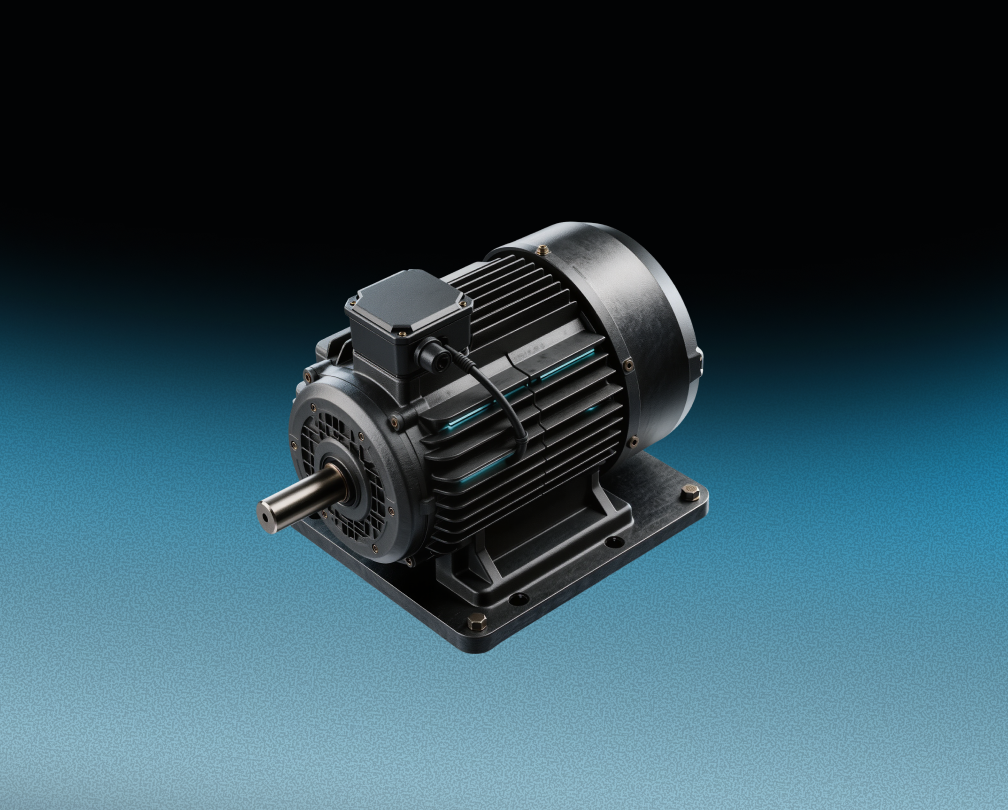
Wearables
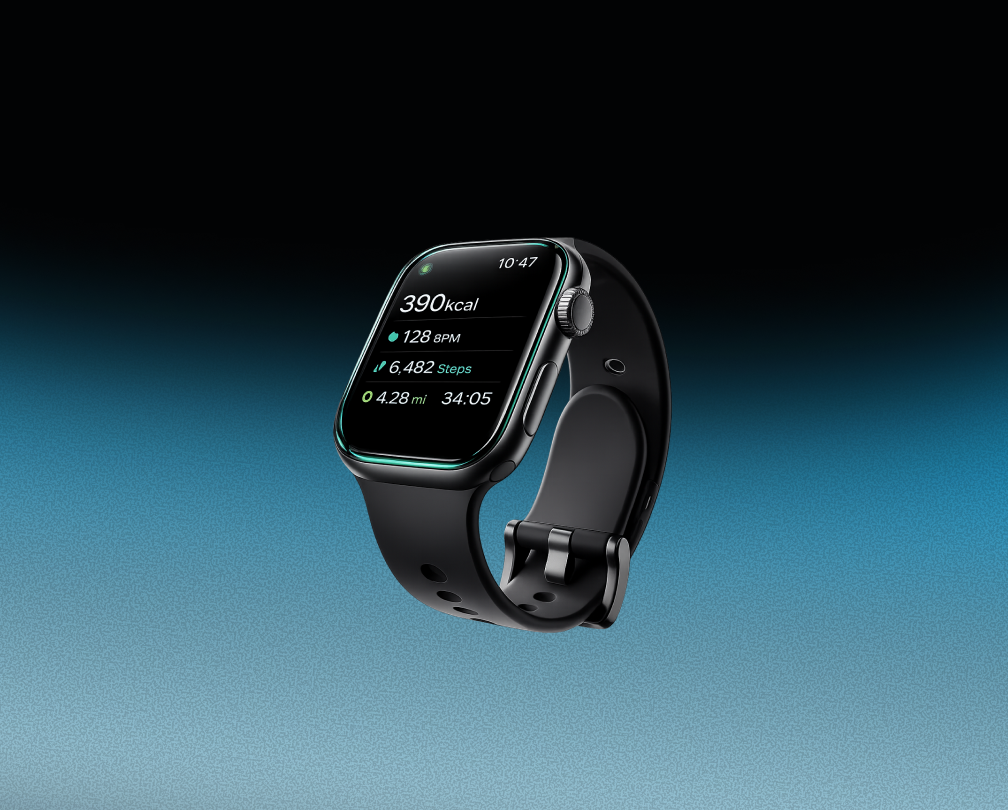
Enable continuous intelligence without bulky hardware or frequent charging. Local interpretation of biosignals and movement supports adaptive interfaces, activity recognition, and responsive features. Neuromorphic compute keeps devices lightweight and discreet while delivering meaningful feedback directly where it matters most.
Intelligent sensor modules
Enables the creation of intelligent sensing modules that couple one or more sensors with efficient neuromorphic processing – enabling tokenization directly at the source! Also enables powerful filtering, sensor adaptation, and complex processing as soon as data is generated.

Robotics
Enable machines to understand and respond to the physical world in real time. Ultra-low latency “reflex” sensing allows robots to act immediately on incoming signals, while local fusion combines inputs such as pressure, motion, and force directly on-device. This delivers faster decision-making, reduced power consumption, and more autonomous systems that operate efficiently in dynamic environments without reliance on the cloud.

Trusted by industry leaders

















Blogs







News & Insight


Contact us
Discover how neuromorphic compute can transform your next-generation devices with real-time intelligence and ultra-efficient performance at the edge.


